



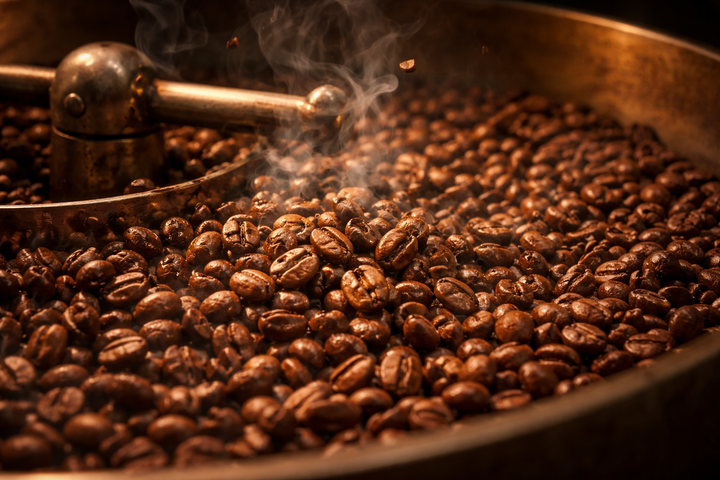

Waarom de hoogte waar de koffie groeit de smaak bepaald
De hoogte waarop koffie groeit, is een van de meest bepalende factoren voor de uiteindelijke kwaliteit en het smaakprofiel van de boon. In de koffi...
Read more →
De hoogte waarop koffie groeit, is een van de meest bepalende factoren voor de uiteindelijke kwaliteit en het smaakprofiel van de boon. In de koffi...
Read more →
De houdbaarheid van koffie hangt sterk af van de vorm waarin de koffie zich bevindt: groen (ongebrand), gebrand (hele bonen) of gemalen. Hoewel kof...
Read more →
The ideal temperature for brewing coffee is generally between 90°C and 96°C (194°F to 205°F). It is crucial not to use boiling water, as this can d...
Read more →
Finland is widely regarded as the country with the highest per capita coffee consumption in the world. In terms of daily per capita consumption, th...
Read more →
The "first crack" is an audible popping or cracking sound, similar to popcorn popping, that occurs when gases and water vapor break open the cell s...
Read more →
Arabica is considered a superior quality coffee with a softer, sweeter, and more complex taste (notes of sugar, fruit, and berries). Robusta, on th...
Read more →
No, decaffeinated coffee almost always still contains a small residual amount of caffeine, usually between 2 and 13.9 mg per cup. The legal definit...
Read more →
According to general guidelines, a consumption of 3 to 5 cups per day (equivalent to approximately 400 mg of caffeine) is considered safe and even ...
Read more →
The grind size determines how efficiently water extracts flavors from the coffee. A grind that is too coarse often leads to a sour, watery taste (u...
Read more →